Louisville Open Space & Parks Update |
|
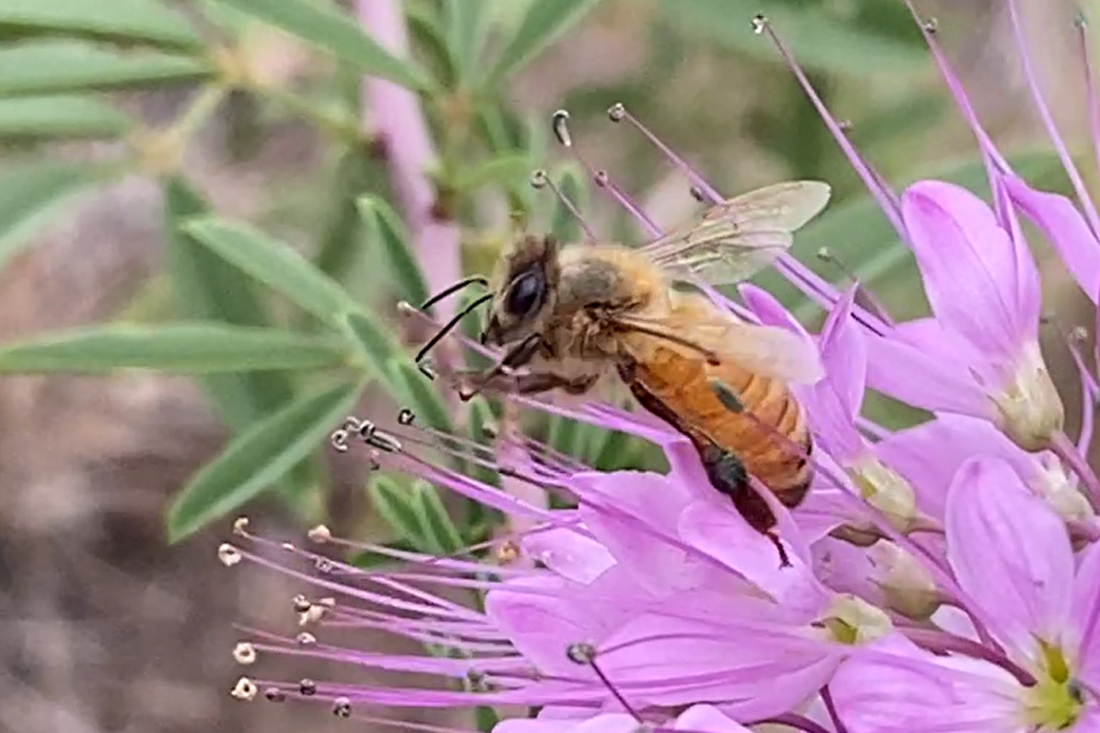 Pollinator Week is Here!June 22-28, 2026Pollinator Week is a time to celebrate the bees, butterflies, hummingbirds, moths, beetles, and other pollinators that help our landscapes thrive. As a proud Bee City USA community, Louisville is committed to creating habitat that supports pollinators year-round. Through native plantings, pocket prairies, pollinator-friendly landscapes, and thoughtful land management practices, the city provides food, shelter, and nesting habitat for a wide variety of beneficial species. Pollinators help more than 75% of the world's flowering plants reproduce, including many found in Louisville's parks, open spaces, gardens, and neighborhoods. This week is a reminder that healthy habitats support not only pollinators, but also wildlife, native plants, and the natural beauty that makes Louisville special. |
|
Did You Know?Most bee species don't live in hives. Many native bees nest in the ground, hollow stems, or small cavities and work quietly behind the scenes as important pollinators. |
|
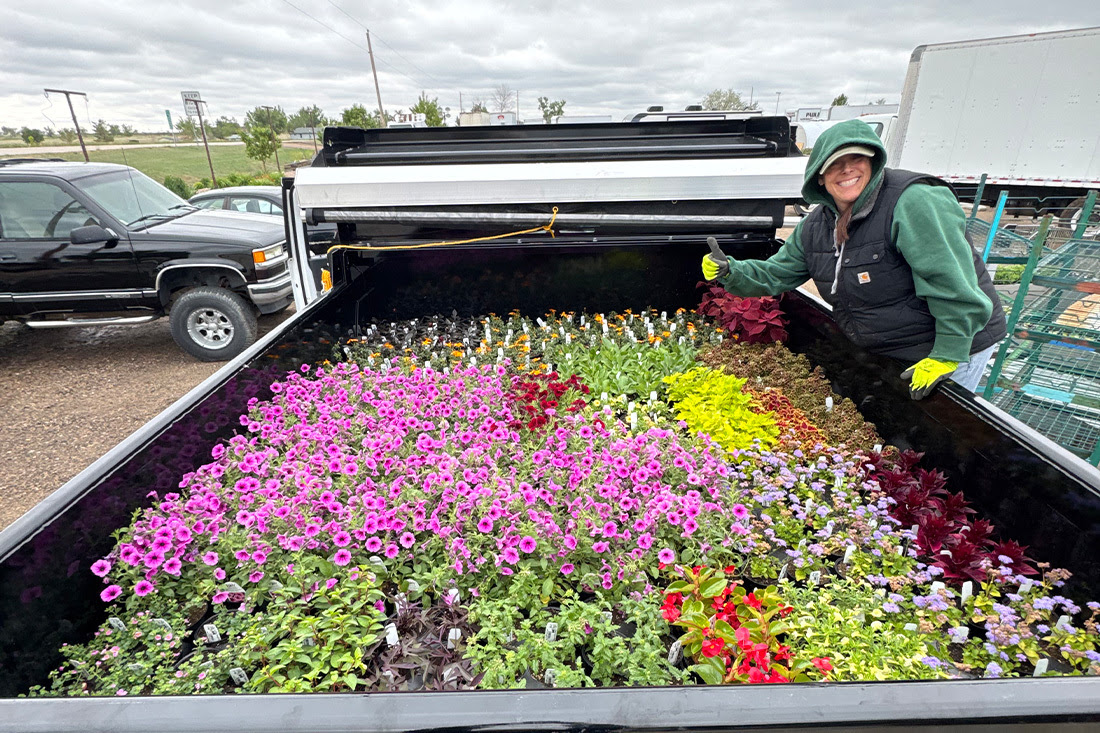 Behind the Blooms: Growing a Pollinator-Friendly LouisvillePollinator Week celebrates the species that keep ecosystems healthy, but supporting them takes year-round effort. Across Louisville Parks, the Horticulture and Forestry staff create and maintain landscapes that provide food, shelter, and nesting habitat for pollinators while enhancing the beauty and resilience of our parks and public spaces. Horticulture:So far this year, the team has planted: - 1,359 annual flowers adding color and vibrancy throughout the parks
- 46 perennial plants providing reliable beauty year after year
- 42 native pollinator perennials supporting mason bees, leafcutter bees, bumblebees, monarch butterflies, swallowtails, hoverflies, and more
- 57 manzanita shrubs offering a critical early-season nectar source for pollinators
- 30 ninebark shrubs attracting pollinators and providing wildlife habitat
- 30 perennial grasses supplying shelter and nesting materials for beneficial insects
- 19 yucca plants supporting the unique and specialized relationship between the plant and the yucca moth
This fall, the team will also plant 316 spring-blooming bulbs across 10 varieties, ensuring an early burst of color and habitat next spring. Forestry:The Forestry team also plays a vital role by planting, pruning, watering, and caring for Louisville's urban forest. 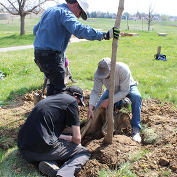 - Trees provide shade, improve air quality, support wildlife, and create valuable habitat for pollinators.
- When Linden trees bloom, they become a major food source for honeybees, native bees, butterflies, and other pollinators.
- Oak trees, often considered a keystone species, provide food, shelter, and overwintering habitat for hundreds of insect species.
Together, the Horticulture and Forestry teams are building not just beautiful parks, but healthier ecosystems and a more sustainable community. |
|
|
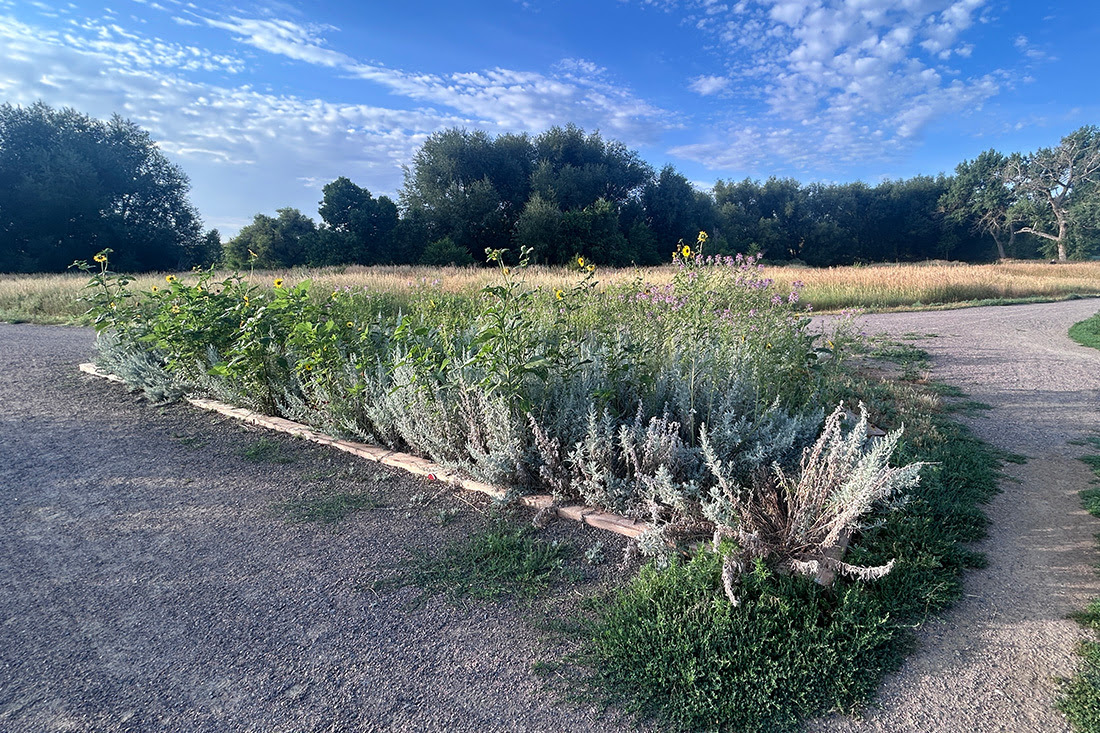 Pocket Prairies: Small Habitats, Big BenefitsAnother way Louisville supports pollinators is through pocket prairies, small but powerful native plantings that provide food, shelter, and habitat in parks, open spaces, and urban areas. Filled with native grasses and wildflowers, these compact habitats show how even small landscapes can make a big difference for bees, butterflies, birds, and other wildlife. Alongside the ongoing work of Louisville’s Horticulture and Forestry teams, pocket prairies help create connected habitats that support pollinators across the community. |
|
Best Practices for Supporting our Local Pollinating SpeciesDifferent pollinators have different needs, and knowing what attracts them can help you create a pollinator-friendly space at home. |
|
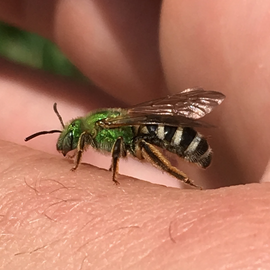 BeesEssential for fruits, veggies, and native plants - Blue, purple, white, or yellow flowers
- Mild scents
- Shallow blooms with landing spots
- Abundant nectar and visible nectar guides
|
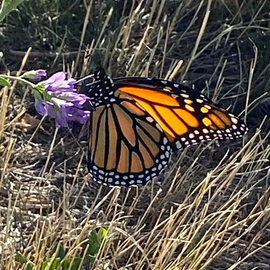 ButterfliesNeed nectar-rich flowers and host plants for caterpillars - Bright red or purple blooms
- Fresh scents
- Tube-shaped flowers with landing pads
- Deep nectar and nectar guides
|
|
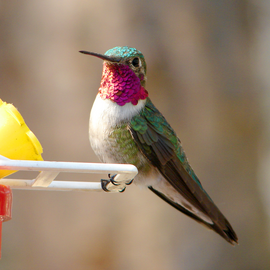 HummingbirdsPollinate by sight and bright colors, not by using scent. - Red or orange, scentless flowers
- Funnel-shaped blooms
- Deep nectar wells
- Perches nearby
|
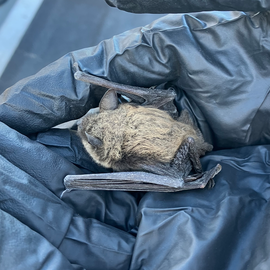 BatsImportant for pollinating night-blooming plants - Pale flowers that bloom at night
- Strong, fruity or musky scents
- Bell-shaped, clustered flowers with lots of nectar
|
|
Want to Help?Even small actions can make a big difference. Plant native flowers, provide water and shelter, and create habitat for pollinators in your own backyard. |
|
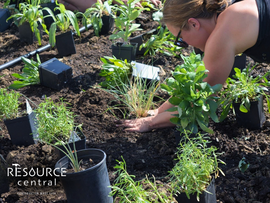 Turn your yard into pollinator habitat.Resource Central Garden In A Box$25 discount for Louisville customers/residents! Help pollinators and save water at the same time. Waterwise gardens provide food and habitat for bees, butterflies, and other pollinators while adding beauty and biodiversity to your yard. Because water is one of Colorado's most valuable resources, choosing low-water plants can make a big difference. Resource Central's Garden In A Box kits feature low-water perennial plants that can save about 7,000 gallons of water over the life of the garden compared to a traditional lawn. Louisville residents can transform a difficult area of their yard with a beautiful, waterwise Garden In A Box this season. Visit ResourceCentral.org/Gardens to order a Garden In A Box and claim a $25 discount available to Louisville residents. |
 Design a landscape that works for pollinators and saves water.Landscape templates and resources from Northern Water.Northern Water offers free tools, sample designs, and practical guidance to help residents create waterwise landscapes that support pollinators and other wildlife. Whether you're planning a full landscape renovation or looking for inspiration for a small garden project, these resources can help you get started: |
|
City of Louisville Environmental Designations Certified Audubon Cooperative SanctuaryCoal Creek Golf Course is proud to be a Certified Audubon Cooperative Sanctuary, reflecting Louisville’s commitment to healthy habitats, water conservation, and environmental stewardship. Through thoughtful land management, the course supports local wildlife while providing an exceptional community amenity. Bee City USALouisville became a Bee City USA affiliate in 2023, recognizing our commitment to protecting pollinators through native habitat restoration, sustainable practices, and community education. These efforts help support the bees, butterflies, and other beneficial insects that keep our ecosystems thriving. Bird City ColoradoLouisville is proud to be a designated Bird City Colorado community, recognized for its commitment to protecting bird habitat, conserving open space, and promoting bird-friendly practices that support both resident and migratory species. Tree City USAFor more than 45 years, Louisville has been recognized as a Tree City USA community for its commitment to planting, preserving, and caring for trees. Our urban forest enhances neighborhood beauty, improves air quality, and contributes to a healthier, more resilient community.
|
|
Snapshot SpotlightWe’re doing some cool things! Don’t miss out. Follow us on Instagram and Facebook to stay updated! |
|
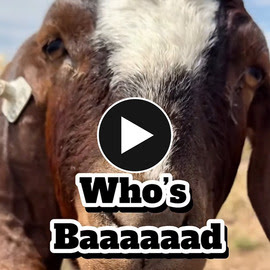 Goats star in a Michael Jackson Music Video for “Bad” while grazing on invasive weeds like Dalmatian toadflax and diffuse knapweed across Louisville Open Space. |
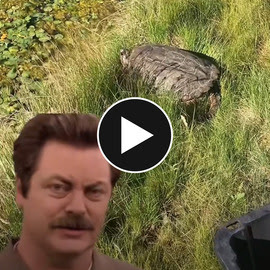
Why did the turtle cross the road? To score a VIP ride to the golf course. This snapping turtle was found on a median and Open Space staff relocated her to safety. |
|
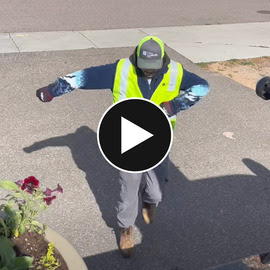 What’s got our Parks crew dancing? It might be fresh patio pots and beautiful blooms officially brightening the streets in downtown Louisville. |
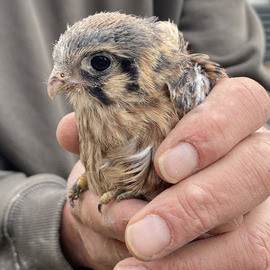 Five Louisville American kestrel chicks received bands this spring, supporting important research on local bird populations. |
|
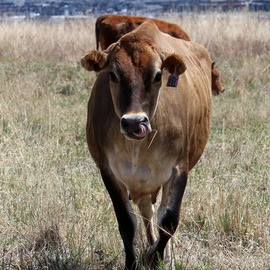 MOOve over Louisville. The cows were back in town from May 11–28, helping manage Davidson Mesa and North Open Space through regenerative grazing. |
 Open Space staff brought adaptive bikes to Davidson Mesa Open Space to give riders a new way to experience the trails. It was a great day for everyone involved! |
|
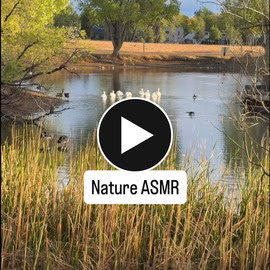 Volume up! Nature ASMR, Louisville edition. This is Warembourg Open Space at 6:30 a.m. on a Friday. No filter. No soundtrack. Just Louisville doing its thing. |
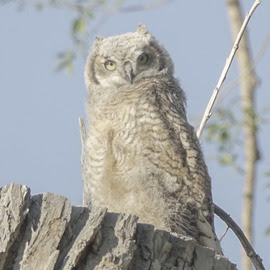
Hoo is this? Meet the Great Horned Owl (Bubo virginianus). These large raptors are known for their prominent ear tufts that resemble horns, just like this fluffy owlet! |
|
Update Your Open Space and Parks Division Subscription Access your subscriber preferences to update your subscriptions or modify your password or email address without adding subscriptions. If you would like to register for eNotifications from other City Departments, please visit the City-wide eNotification page where there are multiple other categories you may be interested in. |
|
|
|
|